
Matariki Research in Focus: Showcasing research across the Network
Matariki Research in Focus: Showcasing research across the Network
The inaugural Matariki Research in Focus Competition invited researchers from across the Matariki Network to share their research through images, offering a glimpse into the people, places and ideas behind collaborative research. The entries captured a fantastic range of research, from exploring the hidden structures of the Universe and the inner workings of volcanoes, to research addressing menstruation and sanitation and the influences shaping young people’s body image. We are delighted to showcase all four entries below and celebrate the researchers who took part.
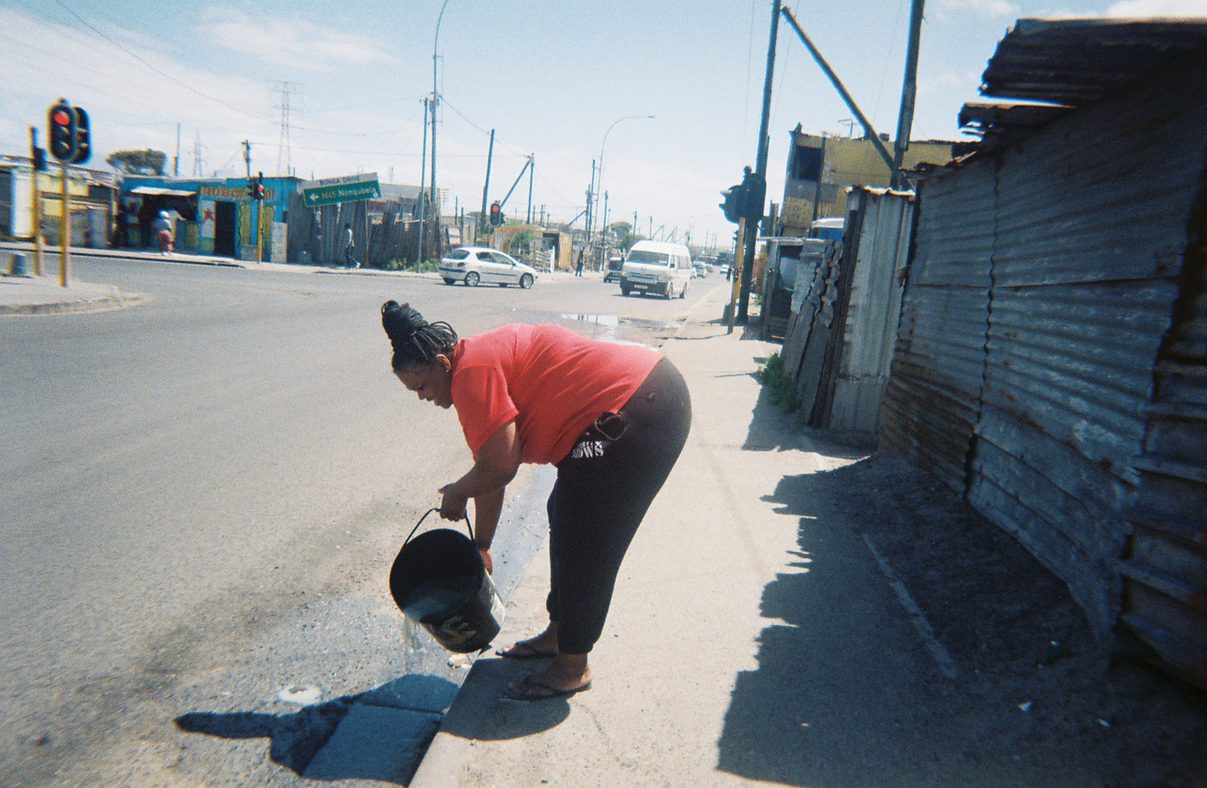
Women’s experiences of menstruation in Khayelitsha, Cape Town
Christina Culwick Fatti, Senior Researcher, University of the Western Cape
The image forms part of Matariki-funded research using PhotoVoice, a participatory research method that places participants’ own experiences and perspectives at the centre of the research process.
Women in Khayelitsha, Cape Town, photographed their experiences of managing menstruation in a context of inadequate services. Their photographs were then used to support in-depth interviews exploring issues including privacy, safety, stigma, cleanliness and waste disposal. The photographs were also exhibited publicly on Menstrual Hygiene Day 2026, where participants shared their experiences with local policymakers, practitioners and specialists. The collaborative research involved colleagues from the University of the Western Cape, University of Western Australia and Queen’s University.
Image credit: PhotoVoice participant, Caring for the Other Half project, Khayelitsha, 2025.
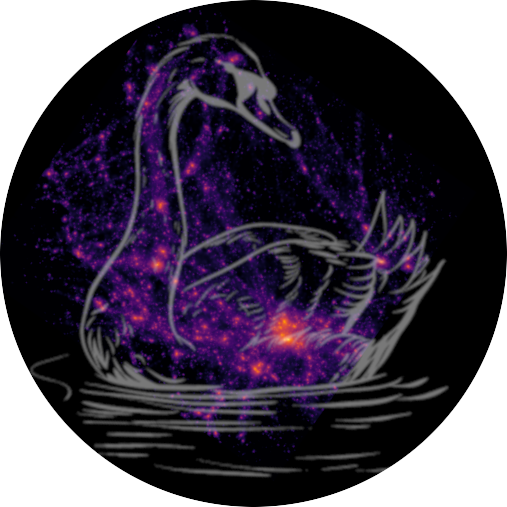
The SWAN Universe
Kyle Oman, Associate Professor and Dorothy Hodgkin Research Fellow, Durham University
Dark matter forms the gravitational backbone of the Universe, and Kyle Oman’s striking image visualises the ‘cosmic web’, showing the distribution of dark matter predicted by the SWAN Universe simulation. The project simulates the formation of dark matter structures and galaxies in the Local Universe, including a region containing the Fornax cluster of galaxies. Spanning an incredible 180 million light years and represented by 30 billion resolution elements, the simulation helps researchers test theories of galaxy formation and dark matter. SWAN stands for ‘Simulations for WALLABY And the Nearby Universe’, with the name also referencing the Swan River in Perth, Australia.
Image credit: K. Oman/SWAN Universe Team.
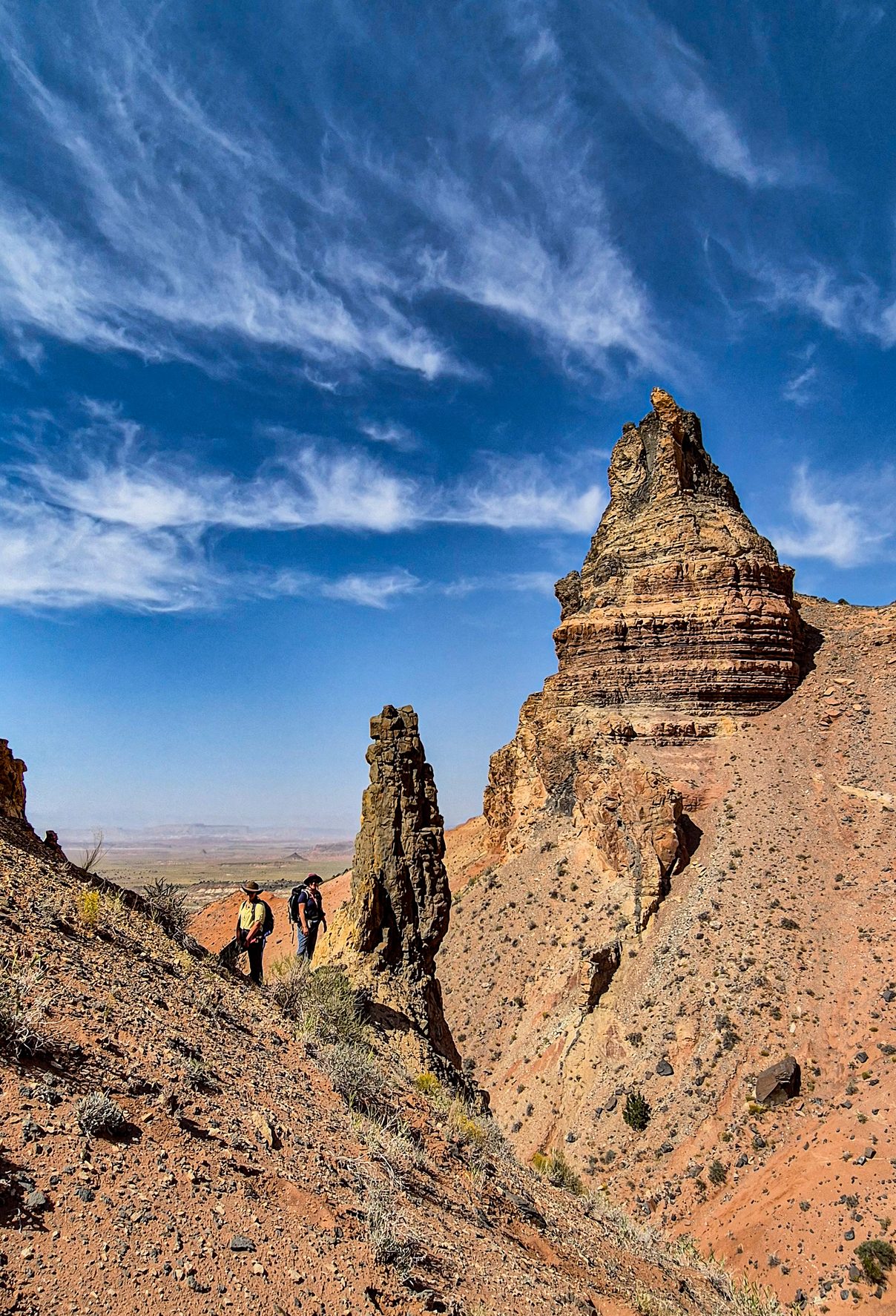
What’s beneath a volcanic eruption?
Steffi Burchardt, Professor of Tectonics, Uppsala University
What lies beneath a volcano? Steffi Burchardt’s image shows two PhD students standing beside solidified magma channels. The spires and towers visible in the landscape are remnants of structures that once lay beneath ancient volcanic eruptions. By studying these geological features, researchers can learn more about the processes taking place inside volcanoes and use evidence from ancient volcanic systems to improve understanding of volcanoes erupting today. The research involved colleagues from the University of Otago and Durham University.
Image credit: Steffi Burchardt.
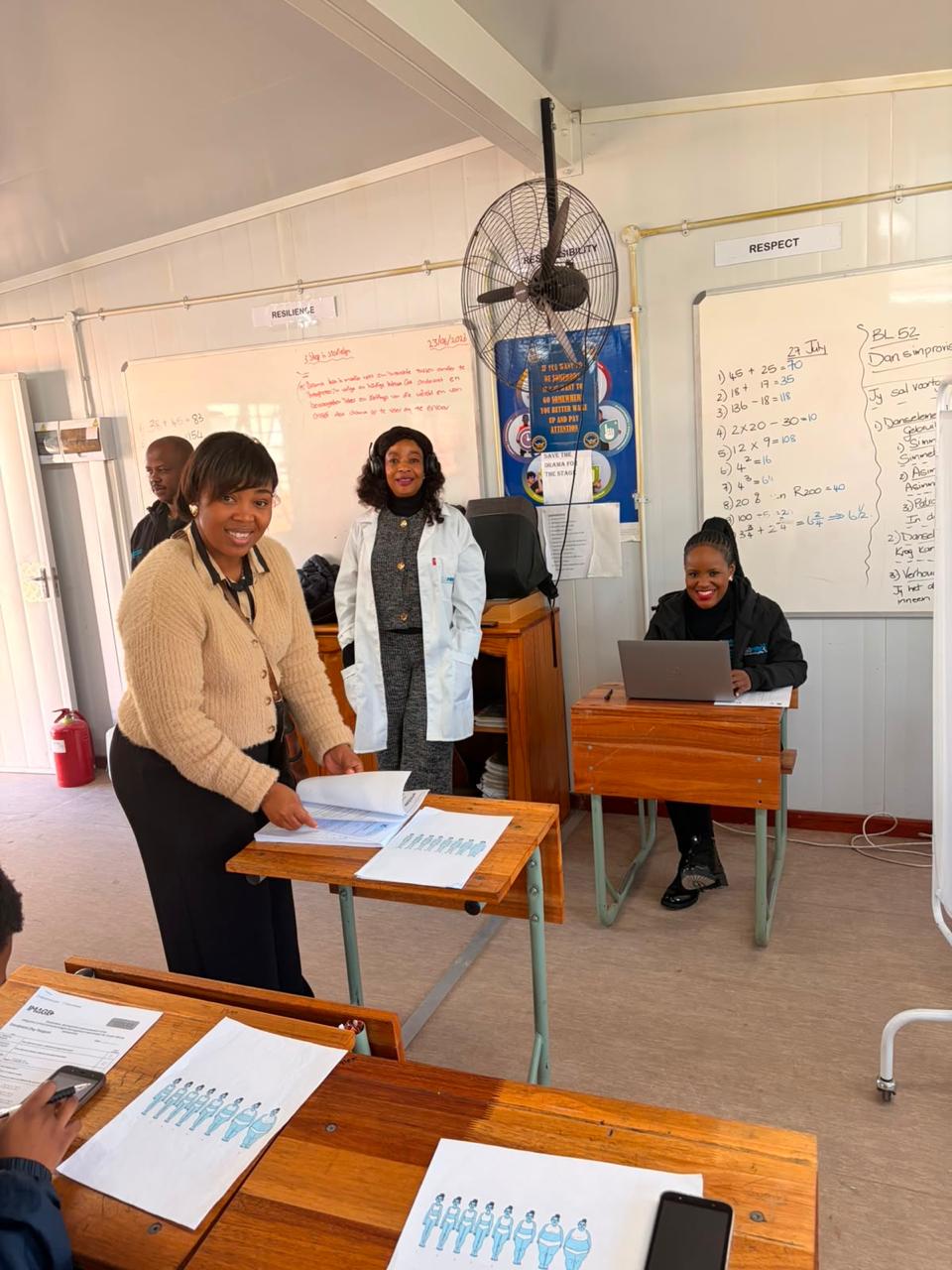
Whose ideal is it? Exploring sociocultural influences on body image among adolescents in South Africa
Dr Fabienne Andres, Postdoctoral Research Associate, Durham University
Dr Fabienne Andres’s entry captures research taking place in secondary schools in Cape Town, exploring the factors that influence body image among adolescents from diverse South African backgrounds. More than 300 adolescents have taken part in the research. Activities include a Figural Rating Task, through which participants consider how they would like to look and the body types they believe their family and culture view as most attractive. The research aims to contribute to the development of an integrated, school-centred approach to preventing weight-related problems among adolescents, while supporting existing learner support frameworks.
Image credit: Tshephang Mashiane.